
• Shopping Cart Shopping Cart
    0Shopping Cart
Natures Flood
  • Home
  • Our story
  • Ingredients
  • Shop
  • Skin Secrets
  • Contact
  • Click to open the search input field Click to open the search input field Search
  • Menu Menu
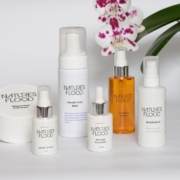
Natures Flood botanical skincare collection

How to read a skincare ingredient list beyond the label

October 28, 2026/in Skin Secrets/by LWDadmin

SKIN SECRETS · NATURES FLOOD · 28 OCTOBER 2026

To read a skincare label usefully, check the product’s purpose, full ingredient list, directions and warnings together. Words such as natural or botanical describe only part of the story. They do not guarantee that a formula will suit your skin.

Shopping for skincare can feel like learning a new language. One label talks about oils, another highlights a vitamin and a third focuses on what a product leaves out. You do not need to memorise every ingredient name to make a more considered choice. Start with a few practical questions.

1. What is this product designed for?

Before comparing ingredients, establish the job. Is it a rinse-off face cleanser, a body butter or an oil intended for a particular area? The directions should make its use clear.

For example, GlowBalance is a face cleanser, while Moisturising Body Oil belongs in a body care routine. A similar-looking bottle does not make two products interchangeable. External intimate care has its own directions and should not be assumed suitable for internal use.

2. Have I read the complete ingredient list?

The headline on the front of a pack is usually a short introduction. Turn to the full list when you need to check a particular ingredient. Skincare labels often use standard ingredient names alongside familiar descriptions, so a botanical name may be followed by a name you recognise.

On the Natures Flood ingredients page, for example, sunflower appears alongside Helianthus annuus. If you are avoiding a known ingredient, check its precise name rather than relying on the product photograph or a brief marketing description.

Our ingredient guide brings together information available for the collection. Always compare it with the current packaging, particularly if you have an older product or an ingredient concern.

3. Am I making an assumption about “natural”?

Natural origin does not tell you everything about how a finished product will feel or whether you will react to it. A botanical oil, butter or fragranced ingredient may be enjoyable for one person and unsuitable for another.

The American Academy of Dermatology advises people with fragrance sensitivity to look for fragrance-free products and notes that botanical ingredients can still contain fragrance-related components. If fragrance is a concern, check the actual list rather than assuming a plant-based description means fragrance-free.

4. Does the claim answer my question?

Be specific about what you want to know. “Contains shea butter” answers an ingredient question. It does not establish how every person’s skin will respond. “Soap-free” describes a formulation choice, but it does not remove the need to read the rest of the label.

It is also worth separating a preference from a requirement. You might prefer a particular texture or botanical ingredient. A known allergy or a healthcare professional’s advice needs a more precise check than a general preference.

5. How will I introduce it?

Keep the rest of your routine familiar when adding something new. Dermatologists recommend testing a skincare product on a small area before wider use, following suitable directions for the product. The AAD’s linked guide explains a repeated test over seven to ten days. Home testing cannot guarantee that a reaction will never happen and is different from medical allergy patch testing.

Frequently asked questions

Does a long ingredient name mean it is harsh?

No. Name length is not a useful test of whether a product will suit you. Focus on the ingredient’s identity, the finished formula and any known sensitivities.

Is an unscented product always fragrance-free?

No. Check the ingredient list and ask the brand if you need clarity rather than treating the two descriptions as identical.

What if I cannot find the information I need?

Contact Natures Flood with the product name and your question. Avoid guessing when you are checking something important to your own skin.

Further reading: American Academy of Dermatology: testing skincare products. This guide explains label reading and does not diagnose allergies.
https://naturesflood.lwdt.co.uk/wp-content/uploads/2026/10/natures-flood-collection.jpg 1121 1680 LWDadmin https://naturesflood.lwdt.co.uk/wp-content/uploads/2026/10/Natures-Flood-Logo-P-1030x454.png LWDadmin2026-10-28 20:27:202026-10-28 20:27:21How to read a skincare ingredient list beyond the label
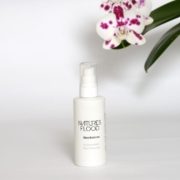
Natures Flood GlowBalance Niacinamide Face Cleanser beside orchid flowers

How to build a simple, gentle face cleansing routine

October 28, 2026/in Skin Secrets/by LWDadmin

SKIN SECRETS · NATURES FLOOD · 28 OCTOBER 2026

A gentle cleansing routine starts with a suitable cleanser, lukewarm water and a light touch. Follow the label, rinse thoroughly and avoid treating a tight or stinging feeling as proof that a product is working. A useful routine is one you can repeat comfortably.

There is no prize for fitting the most products into your evening. Cleansing is an everyday step, so it helps to make it straightforward. Before introducing another serum or exfoliating product, take a moment to look at how you wash your face and whether the basics feel right.

Start with what you want the cleanser to do

A facial cleanser has a specific job in your routine. Choose one intended for the face, read how it should be used and check whether its directions cover your needs. Do not assume every face wash removes eye make-up, waterproof mascara or every sunscreen in the same way.

The ingredient list can help you avoid something you already know does not suit you. Product descriptions are useful context, but they should not replace the directions and warnings on the current label.

A simple cleansing sequence

  1. Prepare. Read the directions and gather a clean, soft towel so you do not rush the last step.
  2. Use a gentle technique. Dermatologist guidance from the American Academy of Dermatology favours lukewarm water, fingertips and a non-abrasive cleanser. Scrubbing is unnecessary.
  3. Rinse as directed. Pay attention to the hairline and the edges of your face, then pat dry rather than rubbing.
  4. Keep the next step familiar. If you use a facial moisturiser, choose one you already know is comfortable while you assess a new cleanser.

Where GlowBalance fits

GlowBalance Niacinamide Face Cleanser is Natures Flood’s soap-free, sulphate-free facial cleanser. Its ingredient list includes niacinamide, panthenol, glycerin and ferment ingredients. You can find the available list on our ingredients page.

It is a rinse-off cleansing product. Recognising an ingredient associated with serums does not make a cleanser interchangeable with a leave-on treatment. Consider the finished formula and its intended use instead of expecting one named ingredient to do everything.

Give yourself room to notice the difference

Introduce a new cleanser without changing the rest of your shelf at the same time. Note how it feels during use and afterwards. A routine that seems too complicated to follow on a busy day may benefit from fewer steps rather than another purchase.

How often you wash depends on your skin, activities and product directions. General dermatologist guidance advises against excessive washing. Repeatedly cleansing because your skin feels uncomfortable can add another variable when you are trying to work out what is happening.

Frequently asked questions

Do I need to double cleanse?

Not automatically. It depends on what you are removing and the directions for the products involved. Avoid adding a second cleanser solely because a social media routine includes one.

Should my face feel tight after cleansing?

A tight feeling is not a goal to chase. If a product repeatedly leaves your skin uncomfortable, stop and reconsider it rather than scrubbing harder or adding more steps.

Can a cleanser replace the rest of my routine?

A cleanser is designed to be washed off. It does not replace a moisturiser you need or appropriate daytime sun protection.

What if my skin keeps reacting?

Stop using the suspected product and seek appropriate advice for persistent or severe symptoms. A cosmetic routine should not be used to diagnose a skin condition.

Discover GlowBalance or ask a product question.

Further reading: American Academy of Dermatology: Face washing 101. General skincare information, not personalised medical advice.

https://naturesflood.lwdt.co.uk/wp-content/uploads/2026/10/glowbalance-cleanser.jpg 1121 1680 LWDadmin https://naturesflood.lwdt.co.uk/wp-content/uploads/2026/10/Natures-Flood-Logo-P-1030x454.png LWDadmin2026-10-28 20:26:522026-10-28 20:26:52How to build a simple, gentle face cleansing routine
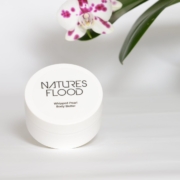
Natures Flood Whipped Pearl Body Butter with orchid flowers

Body oil vs body butter: which should you choose?

October 28, 2026/in Skin Secrets/by LWDadmin

SKIN SECRETS · NATURES FLOOD · 28 OCTOBER 2026

Body oil or body butter? Body oil is a fluid option that spreads easily, while body butter offers a richer, more substantial texture. Choose by the feel you enjoy, your skin’s needs and the full ingredient list. You do not need both to have a good body care routine.

A product can sound perfect on paper yet feel wrong when you put it on. Texture is personal: some people love the slip of an oil, while others prefer to massage a small amount of butter into dry-feeling areas. Here is a practical way to compare the two without turning your bathroom shelf into a collection of half-used pots.

What is the difference?

Body oil and body butter at a glance
What you are choosingBody oilBody butter
TextureFluid and easy to spreadThicker and more substantial
ApplicationStart with a few drops and massage inWarm a small amount between your palms
Routine preferenceA smooth massage stepA rich finishing step
What to checkOils, fragrance and directionsButters, oils, fragrance and directions

These are texture comparisons, not a rule that one formula will suit every skin type. The finished product matters more than its name.

Where Natures Flood body care fits

Our Moisturising Body Oil is a botanical blend with jojoba, sea buckthorn and wheat germ oils. It is the fluid option in the collection, ideal if a body massage is the part of your routine you look forward to.

Whipped Pearl Body Butter contains shea, mango and cocoa butters. Its richer texture offers a different experience from pouring an oil into your palm. Check the current ingredient list before choosing, especially if you avoid particular oils or fragranced ingredients.

How to make the choice

  1. Think about when you will use it. A quick morning routine may call for a different finish from an unhurried evening massage.
  2. Start small. You can add more product, but using too much makes it harder to judge the finish.
  3. Try one new product at a time. This makes it easier to understand what feels comfortable on your skin.
  4. Follow the label. Body care belongs on the areas specified in the directions; a body product is not automatically suitable for your face or intimate skin.

Can you use body oil and body butter together?

You can include both in your collection, but layering is optional. Try each separately first. If one gives you the texture and comfort you want, there is no need to add another step simply because a longer routine looks appealing.

For general dry-skin care, the American Academy of Dermatology recommends moisturising after washing while skin is still damp and choosing gentle, fragrance-free products. A cosmetic oil or butter is not a replacement for advice about persistent skin problems.

Frequently asked questions

Is body butter always better for dry skin?

No single product is right for everyone. A rich texture may appeal to you, but the formula, fragrance content and your individual response all matter. Seek advice if dryness is painful, persistent or accompanied by a rash.

Does botanical mean suitable for sensitive skin?

No. Botanical ingredients can still cause a reaction. Read the full list and test a new product before wider use.

How much should I apply?

Follow the product directions and begin with a small amount. Adjust to the area you are covering and the finish you prefer.

Explore the Natures Flood collection or read our ingredient guide.

Further reading: American Academy of Dermatology: dry-skin care. General skincare information, not a diagnosis or treatment plan.

https://naturesflood.lwdt.co.uk/wp-content/uploads/2026/10/whipped-pearl-body-butter.jpg 1121 1680 LWDadmin https://naturesflood.lwdt.co.uk/wp-content/uploads/2026/10/Natures-Flood-Logo-P-1030x454.png LWDadmin2026-10-28 20:25:582026-10-28 20:25:59Body oil vs body butter: which should you choose?

Pages

  • About Us
  • Cart
  • Checkout
  • Contact
  • Cookie Policy
  • Ingredients
  • My account
  • Natural Skincare for Face, Body & Intimate Care
  • Our Promise
  • Privacy Policy
  • Shop
  • Skin Secrets
  • Terms and Conditions
  • The Collection
  • The importance of pH balance in intimate skincare
  • Top natural ingredients for sensitive skincare

Categories

  • Skin Secrets

Archive

  • October 2026

info@naturesflood.com

Natures Flood

Let’s talk skincare

Stay connected

fig
Our promisePrivacy policyTerms & conditionsCookie policy

© 2026 Natures Flood Ltd. All rights reserved. www.lucyswebdesigns.co.uk

Scroll to top Scroll to top Scroll to top